Santa Rosa
Victor Treatment Center & North Valley School
Victor Treatment Center
Victor Treatment Center in Santa Rosa is a Short Term Residential Treatment Program (STRTP) located in scenic Sonoma County, surrounded by beautiful rolling hills covered with vineyards and other agricultural acreage. While we are located in Sonoma County, we serve Counties, SELPAs and School Districts across California and accept referrals from all counties. The City of Santa Rosa is a thriving community with many civic activities, events, and governmental resources.
Our program provides intensive residential treatment and specialty mental health services for youth struggling with safety and mental health challenges in less restrictive settings. Many youth who come to Victor have experienced multiple placement failures and numerous hospitalizations and are in need of a safe, structured, and healing environment. The primary objective is for each youth to reach his/her optimal level of functioning and return to their family or other appropriate less restrictive setting in the community.
Referral Process for Victor Treatment Center STRTP
To make a referral to Victor’s STRTP, please contact Executive Director, Kelly Hernandez or call 707-360-1505 or 707-576-7218.
341 Irwin Lane, Santa Rosa, CA 95401
(707) 576-7218
North Valley School
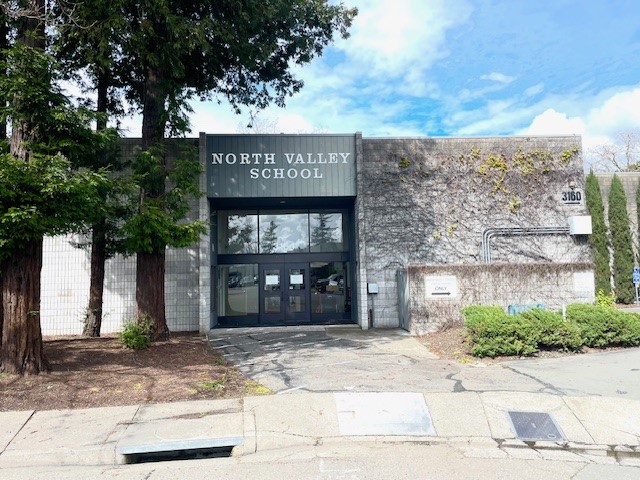 North Valley School (NVS), Santa Rosa is the non-public school affiliated with Victor Treatment Centers. NVS is a private, non-profit, non-public school that provides students in grades 1-12 with educational and mental health services. NVS is accredited by the Western Association of Schools and Colleges (WASC) and certified through the California Department of Education (CDE).
NVS provides a therapeutic environment where students can access their education, make progress on their individual goals, build coping skills to assist with emotional regulation, and form healthy, trusting relationships. We supplement our comprehensive state-adopted curriculum with a wide range of enrichment activities for students including art, pottery, cooking, karate, dance, and volunteering at the Humane Society. All students receive mental health services that are aligned with their IEP’s that typically include individual and group counseling.
Class sizes are small ranging from 6-14 students with teachers and instructional aids providing both academic and emotional support. We provide a safe, therapeutic environment that is relationship-based and focused on teaching personal control, academic success, and living skills.
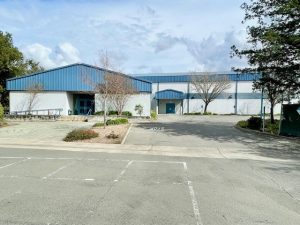 The student population at NVS is comprised of youth that reside at Victor Treatment Centers and day students from our surrounding school districts that have an IEP indicating the need for a non-public school.
Referral Process
Students must be referred to NVS through their school district’s special education department. Students must have an IEP that indicates an NPS setting. We serve students who qualify under the following categories of eligibility: Emotional Disturbance (ED), Specific Learning Disability (SLD), Autism (AUT), Intellectual Disability (ID) and Other Health Impairment (OHI).
In order to make a referral, please email Executive Director, Kelly Hernandez or Principal, Nicole Wentz, or call the school directly at (707) 523-2334.
Key information is provided below including our School Accountability Report Card (SARC), the current School Calendar and the COVID-19 Guidelines and Protection Plan.
North Valley School
3164 Condo Court, Santa Rosa, CA 95403
(707) 523-2334